The Negev is an open history book, its pages made of colorful rock layers and the remnants of lost empires. We invite you on a fascinating, private in-depth journey that will take you from the peaks of Byzantine cities down into the belly of the earth, on a route that combines the best of Israeli archaeology and geology.
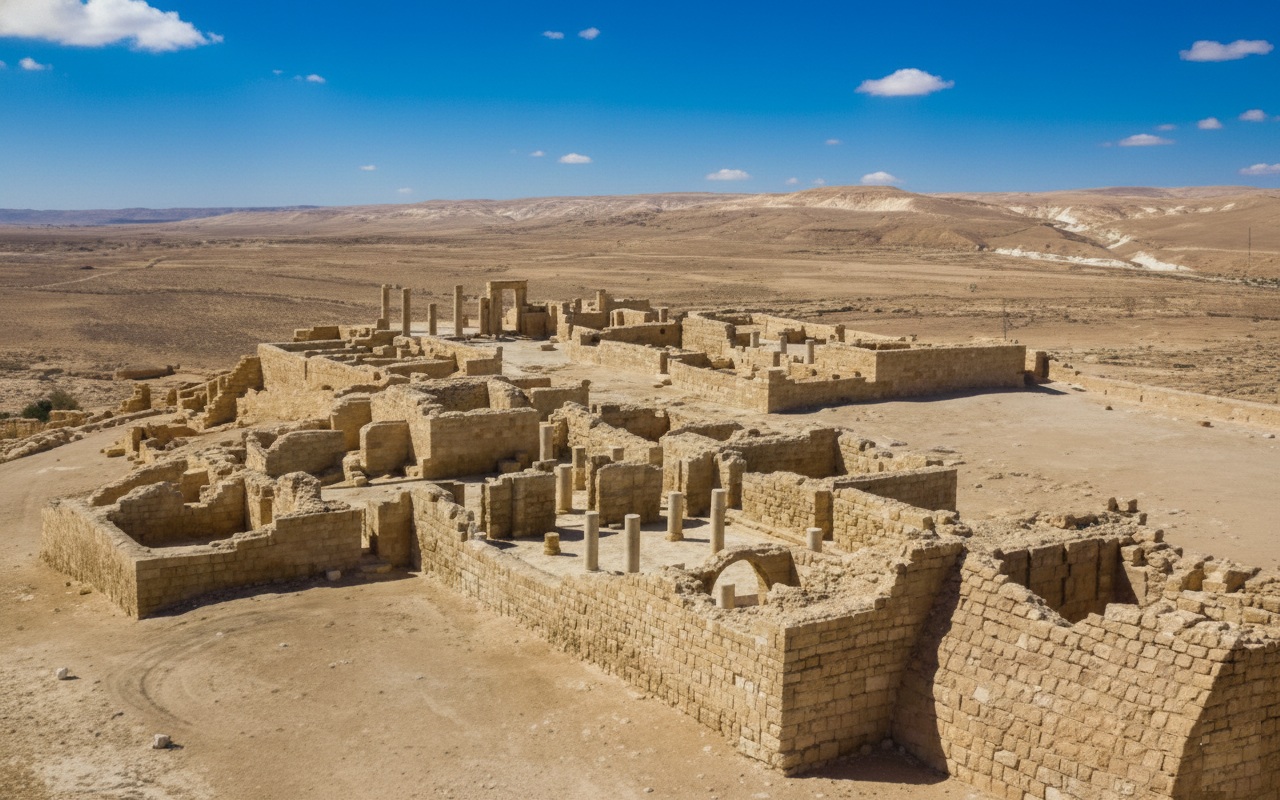
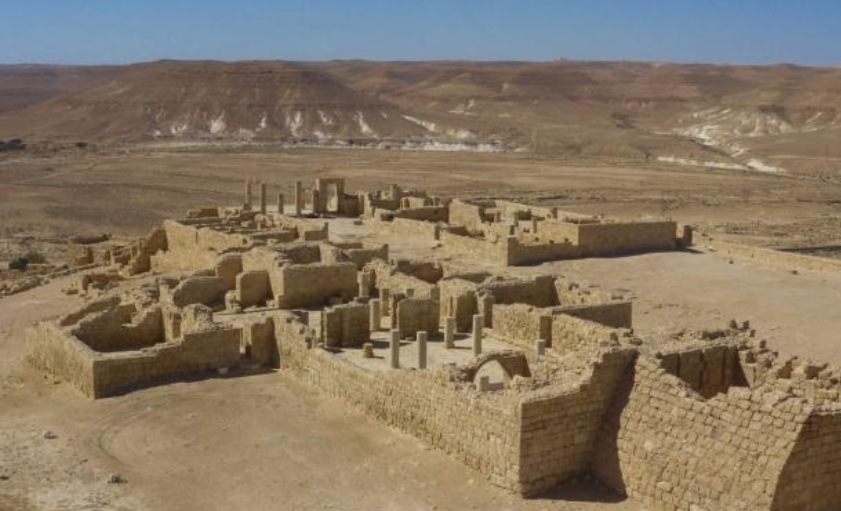
We start the day at Avdat National Park, a UNESCO World Heritage Site, dominating the landscape from the mountain heights.
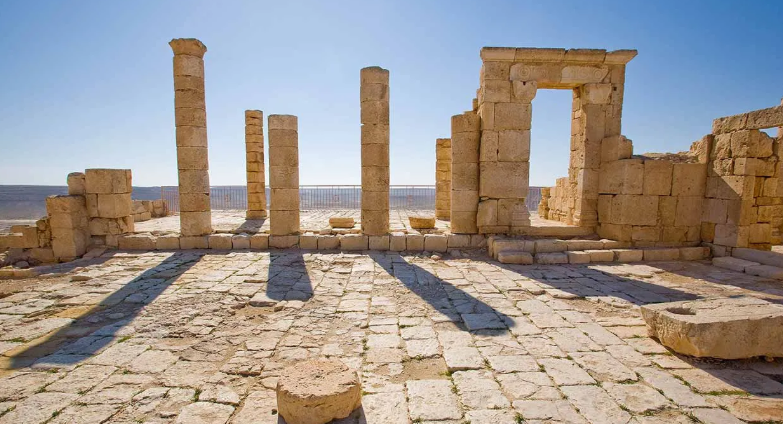
The Upper City: We will tour among the remains of Nabataean temples that were transformed into magnificent Byzantine churches, standing before the open landscape where camel caravans once passed on their way from Yemen to the port of Gaza.
Ancient Agriculture: We will discover the secrets of desert survival โ massive water cisterns, cool caves used for food storage, and sophisticated wine presses that testify to a thriving wine industry in the heart of the wilderness.
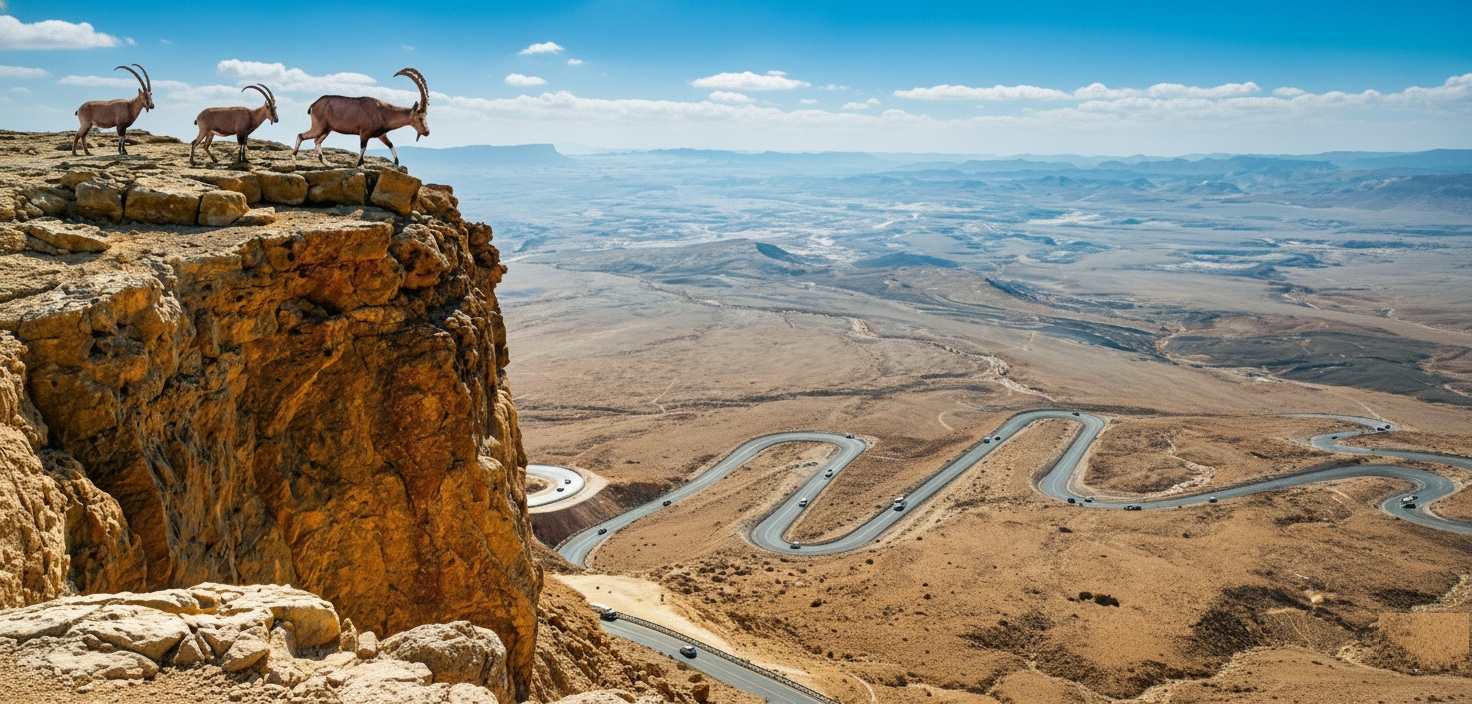
We continue south to the cliff edge at Mitzpe Ramon.
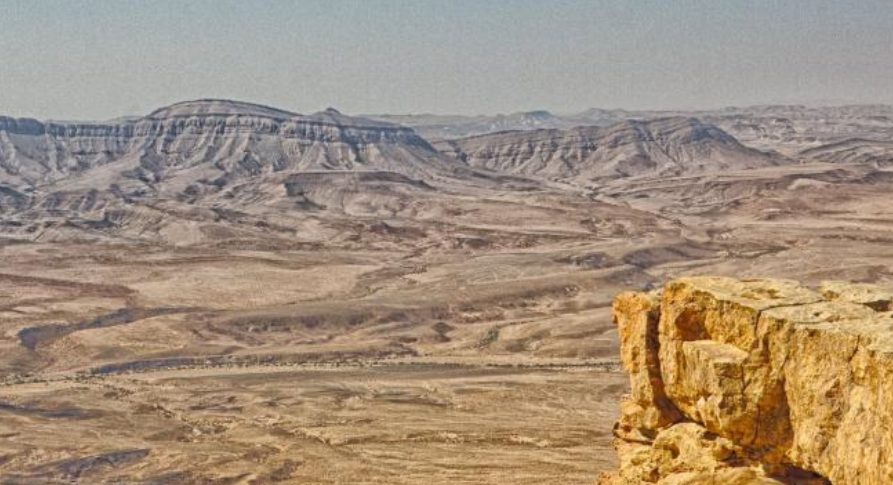
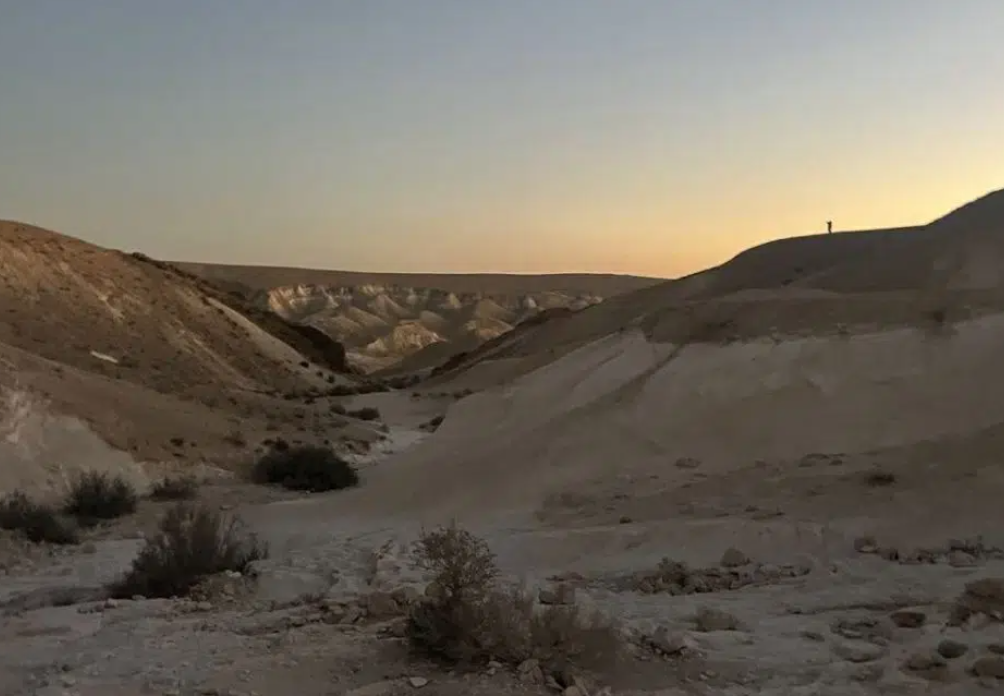
We will stop for a breathtaking panoramic view of the “world’s largest crater” of its kind (an erosion cirque).
Looking down at this unique natural phenomenon, which serves as a “geological window” into rock layers millions of years old, we will understand the dramatic topography that awaited ancient merchants before their descent into the depths.
We descend by SUV into the crater for a journey among rock formations that look like they belong on another planet:
“The Carpentry” (HaMinsara): We will stop at this unique hill of black sandstone. We will see the precise rock fragments, resembling chiseled wooden logs (“prisms”), evidence of rare subterranean volcanic processes.
The Colored Sands: We continue to the rehabilitated quarries, where the desert wears all the colors of the rainbow. Purple, burgundy, yellow, and white blend together for an unparalleled visual experience.
After absorbing the ancient history of the Nabataeans at Avdat, we head south to the cliff edge at Mitzpe Ramon. There, we will stop for a breathtaking panoramic view of the Ramon Crater (Makhtesh Ramon). As we observe the world’s largest erosion cirque, we will understand how it serves as a “geological window” into rock layers millions of years old. This is the perfect vantage point to imagine the challenges that awaited the ancient merchants before their descent into the depths.
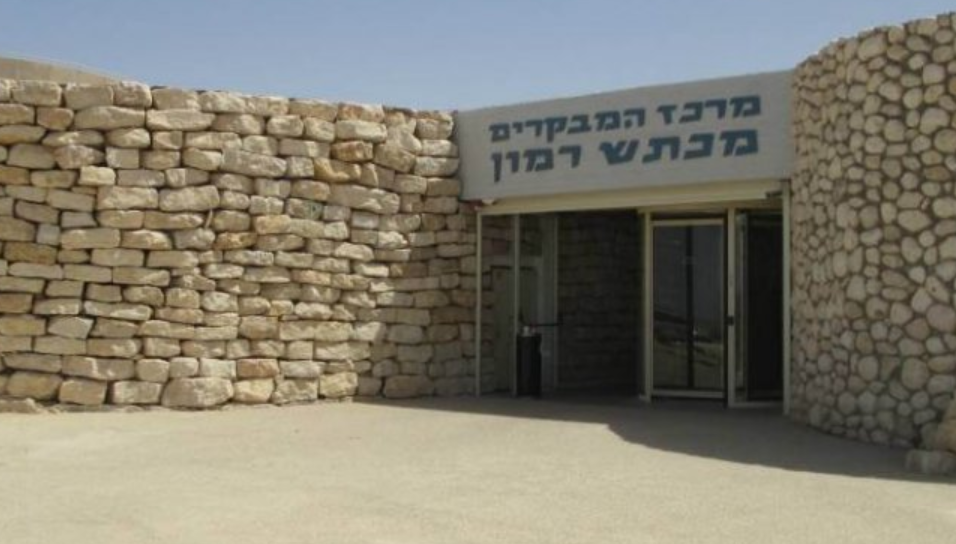
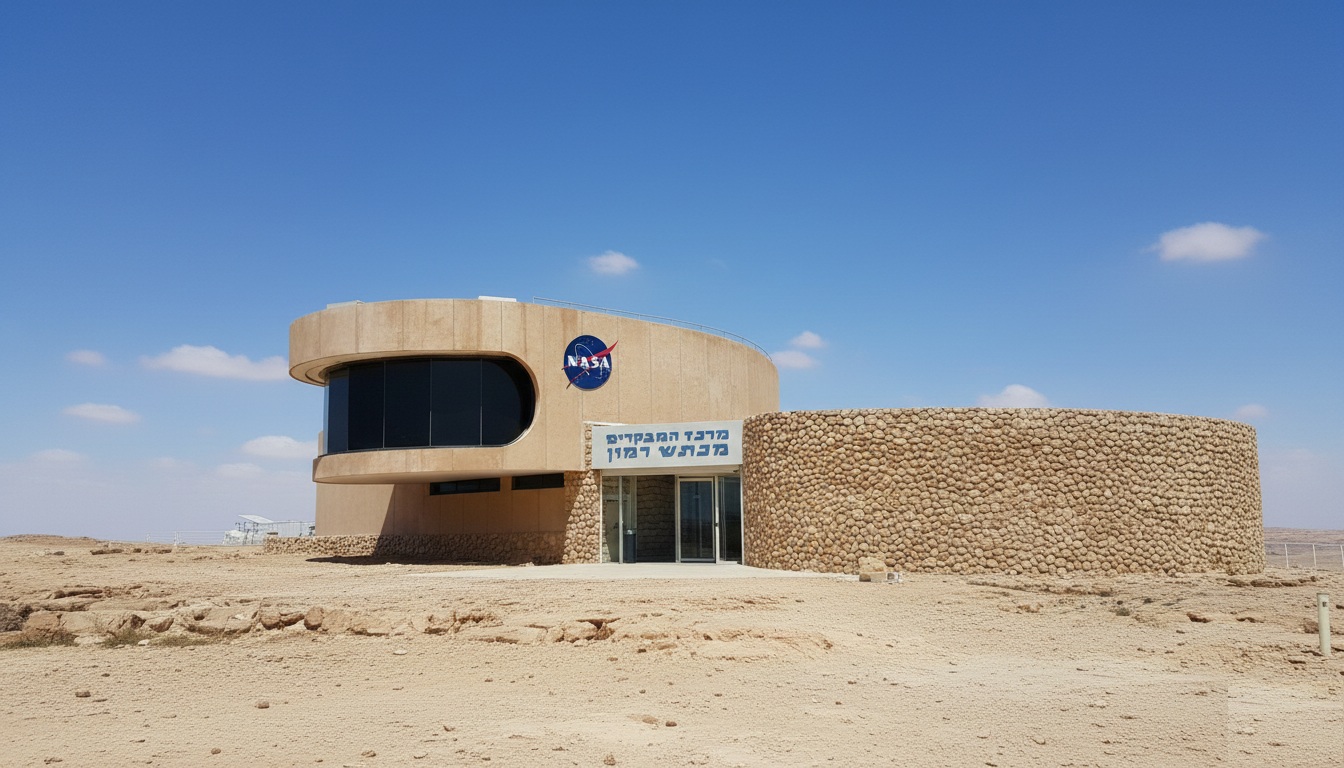
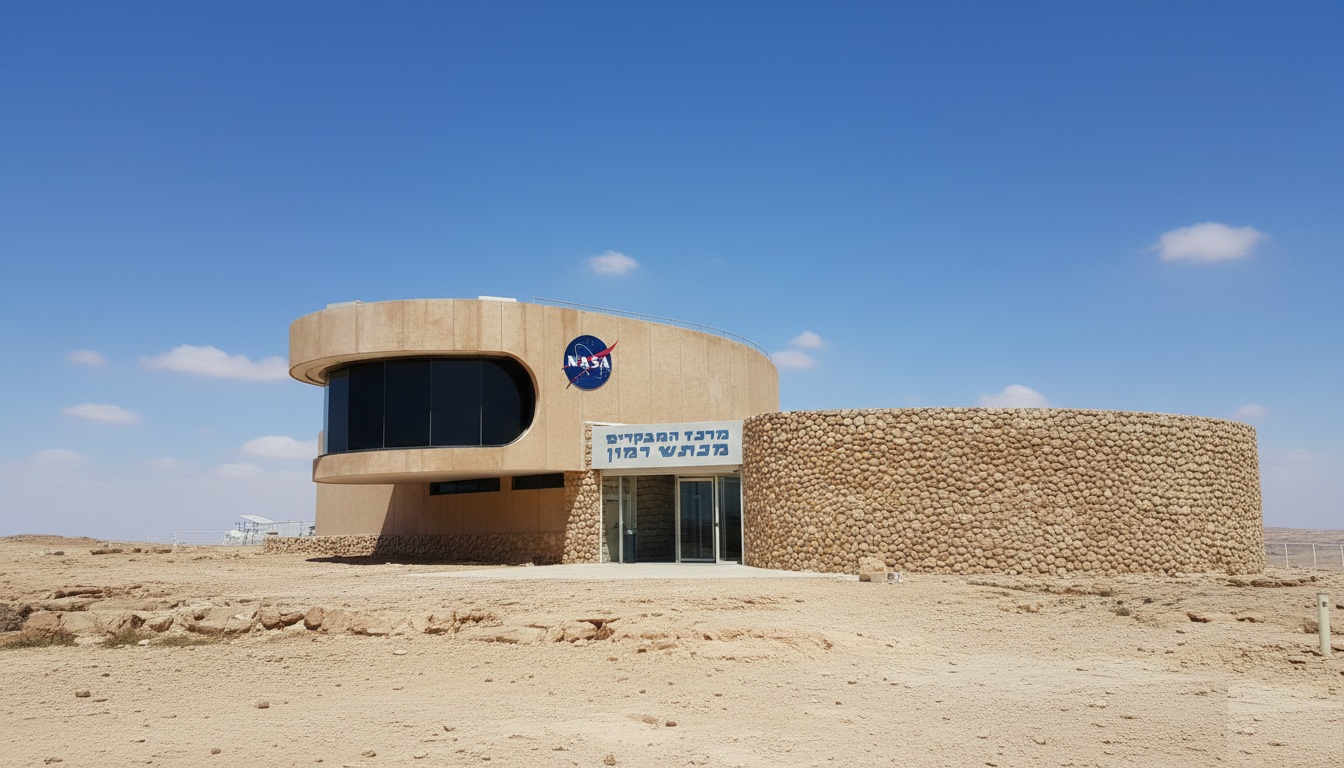
We will visit the modern Ramon Visitors Center, where we will learn the inspiring story of astronaut Ilan Ramon (of blessed memory) and the Negev’s special connection to NASA’s space exploration missions.
From here, we will descend by SUV into the crater for an amazing journey among rock formations that seem to belong on another planet.
The Carpentry (HaMinsara): We will stop at this unique geological site of prismatic columns. These precise rock fragments, resembling chiseled wooden logs (“prisms”), are evidence of rare subterranean volcanic processes.
The Desert’s Colors: We continue to the rehabilitated quarries, where colorful rock layers are exposed, revealing all the colors of the rainbowโpurple, burgundy, yellow, and white. This is a unique visual experience.
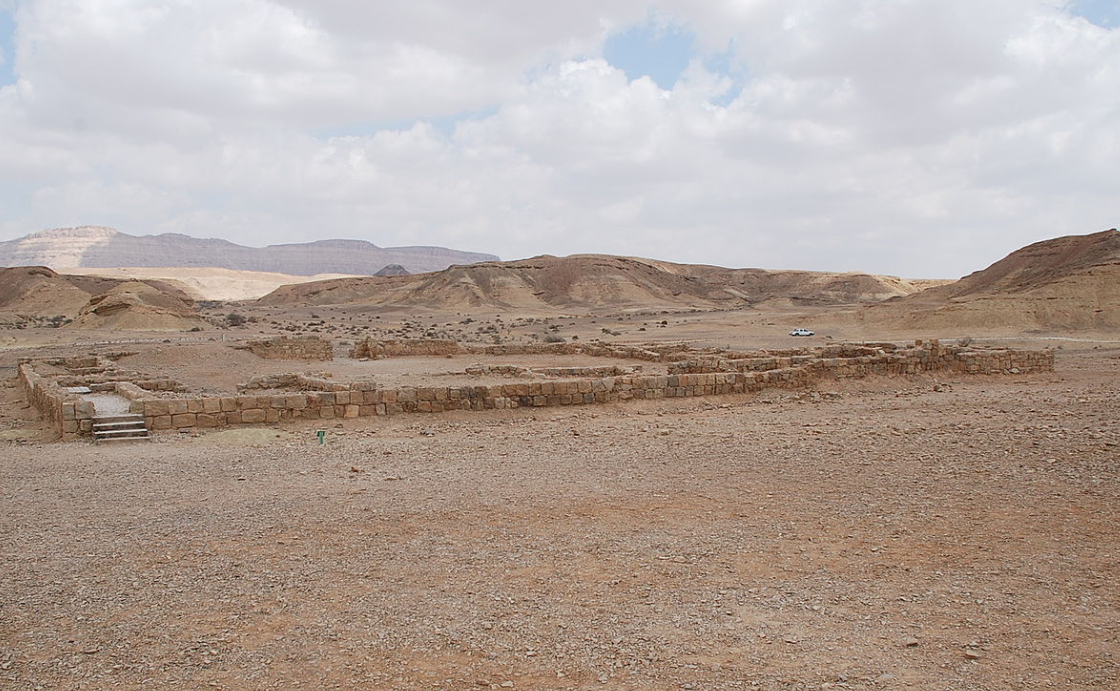
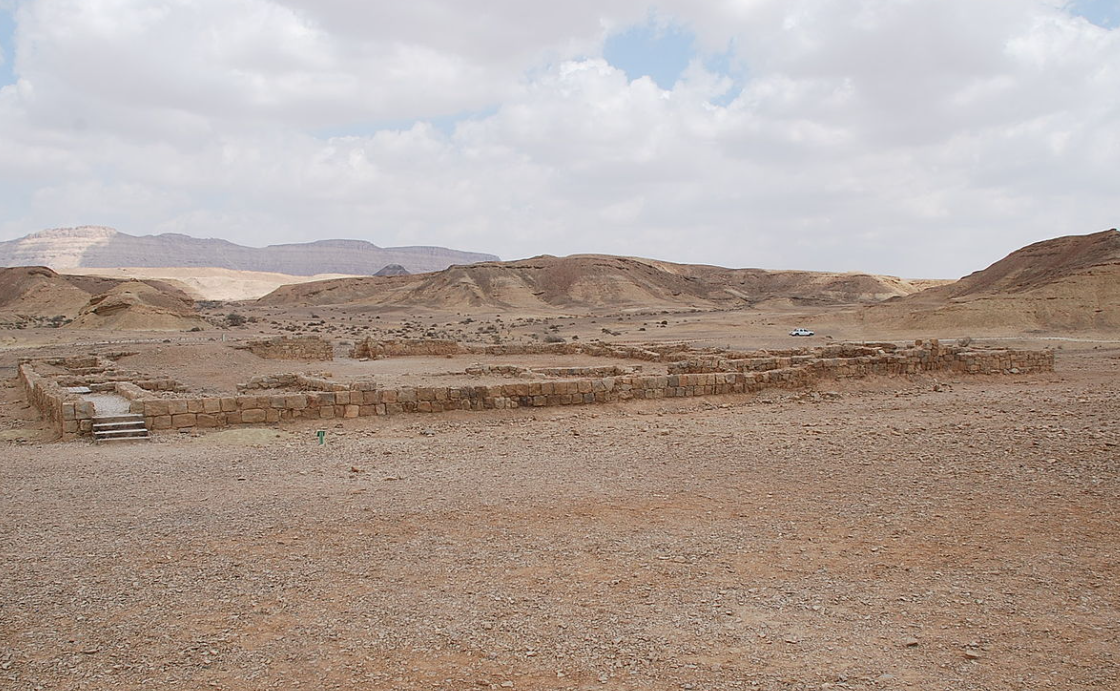
The Ancient Nabataean Way: We will pass by the ruins of Saharonim Caravanserai (Khan Saharonim), an ancient Nabataean roadside station on the Spice Route, located near Nahal Nakarot. This is the ideal spot to imagine the camel caravans and merchants who traveled this path millennia ago.
We will conclude this fascinating day with a visit to two sites of profound modern historical and natural significance as we head back north:
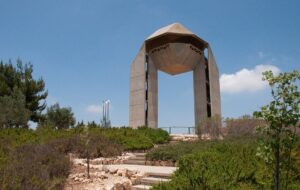
Sde Boker and the Desert Vision: We will arrive at Sde Boker. We will visit the Tomb of David and Paula Ben-Gurion, offering a breathtaking panoramic view over Nahal Zin, Nahal Havarim, and the Avdat Plateau. This offers a powerful emotional closure, linking ancient history to the vision of Israel’s founders for making the desert bloom.
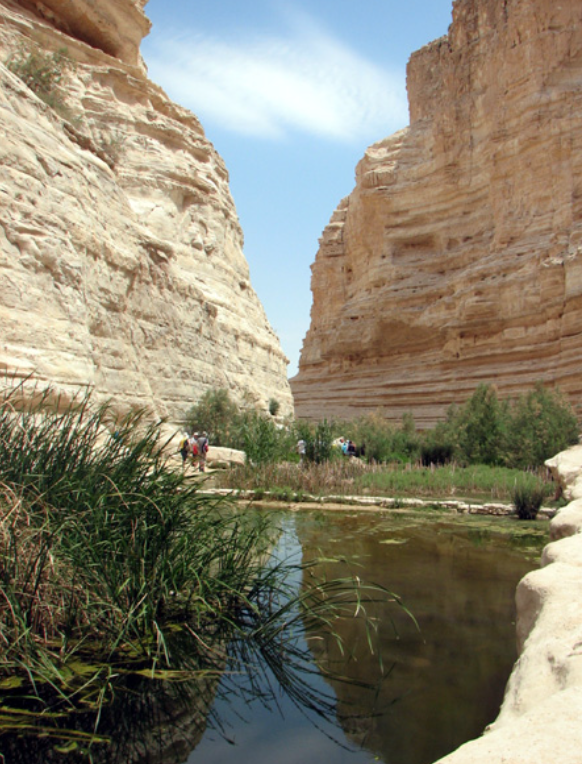
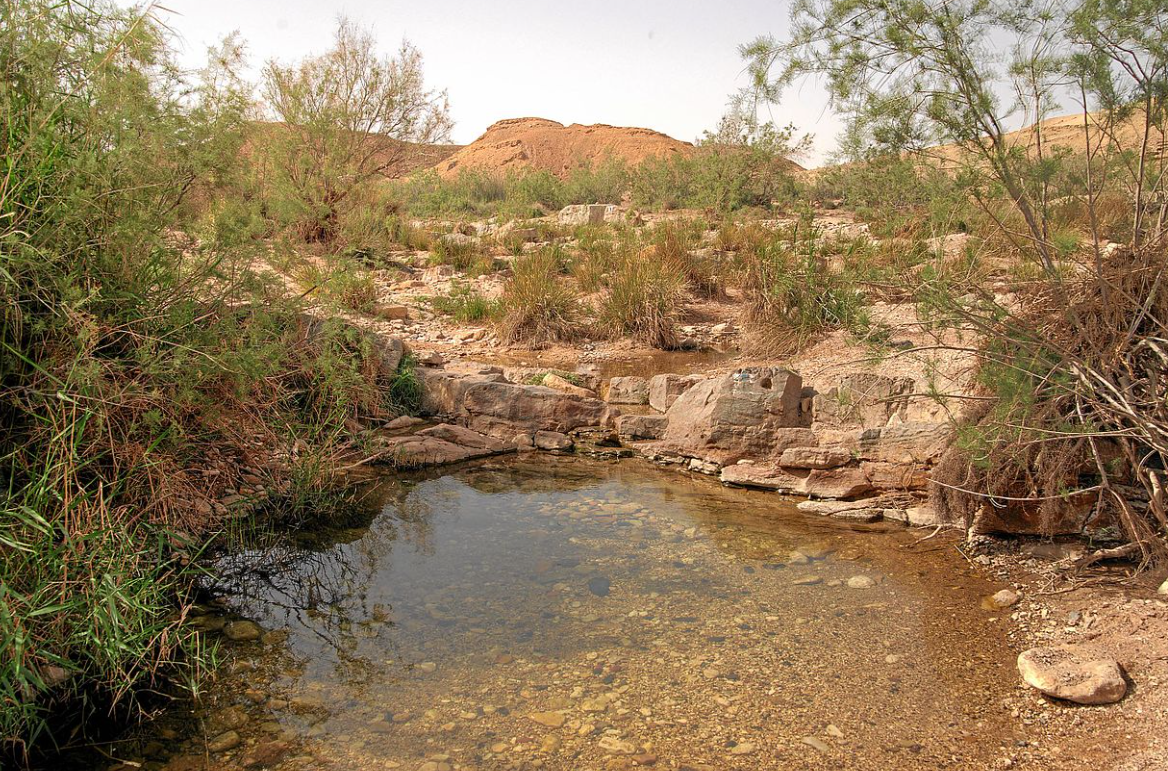
Ein Avdat and Nahal Havarim Lookout: We will reach the Nabataean Gate at the entrance to the Ein Avdat National Park, and climb to the famous Nahal Havarim Lookout. This is the perfect place to bid farewell to the magnificent desert canyon with a final, unforgettable view.

the most surprising secret of the Nabateans, the ancient masters of the Spice Route (or Incense Route) in the Negev, wasn't the gold or the rare spices they traded, but their revolutionary mastery of water? The Nabateans were the greatest "Water Sorcerers" of the desert. Legend has it that when merchants from Rome and Greece visited the Nabatean city of Avdat (whose ruins are visible today), they were amazed by the fine textiles and frankincense, but they were utterly confounded by one thing: How did this city thrive in the heart of a barren wilderness? A Roman dignitary once boasted to a Nabatean leader, "We, the Romans, conquer lands. But you, the Nabateans, have conquered the driest earth. What is the secret of your wealth?" The Nabatean leader smiled and led him to a cliff overlooking a dry Wadi (riverbed). The Roman saw only cracked earth and dust. "Our greatest treasure is not carried by the caravans, but lies beneath your feet," the leader said. "You see a dry creek bed? We see a harvest. We do not wait for the rain; we hunt it." The leader then revealed their secret: They didn't just dig deep wells; they built a vast, intricate, and largely invisible network of "latching trenches" (or run-off collectors) carved meticulously into the surrounding slopes. These channels, barely noticeable to a foreign eye, were designed to capture every single drop of precious rainwater runoff. Like an enormous, hidden sponge, this system would deceptively channel the surface water into sealed underground cisterns or skillfully camouflaged agricultural terraces. Thus, while surrounding nations viewed the Negev as a punishment, the Nabateans turned the desert into a massive, hidden water reservoir. They were able to grow essential food and even produce wineโin the desert!โlong after other civilizations had run dry. The surprising truth is that the genuine treasure they kept secret was not a chest of gold, but the ingenious engineering wisdom that transformed stone and sand into a thriving life.
ย